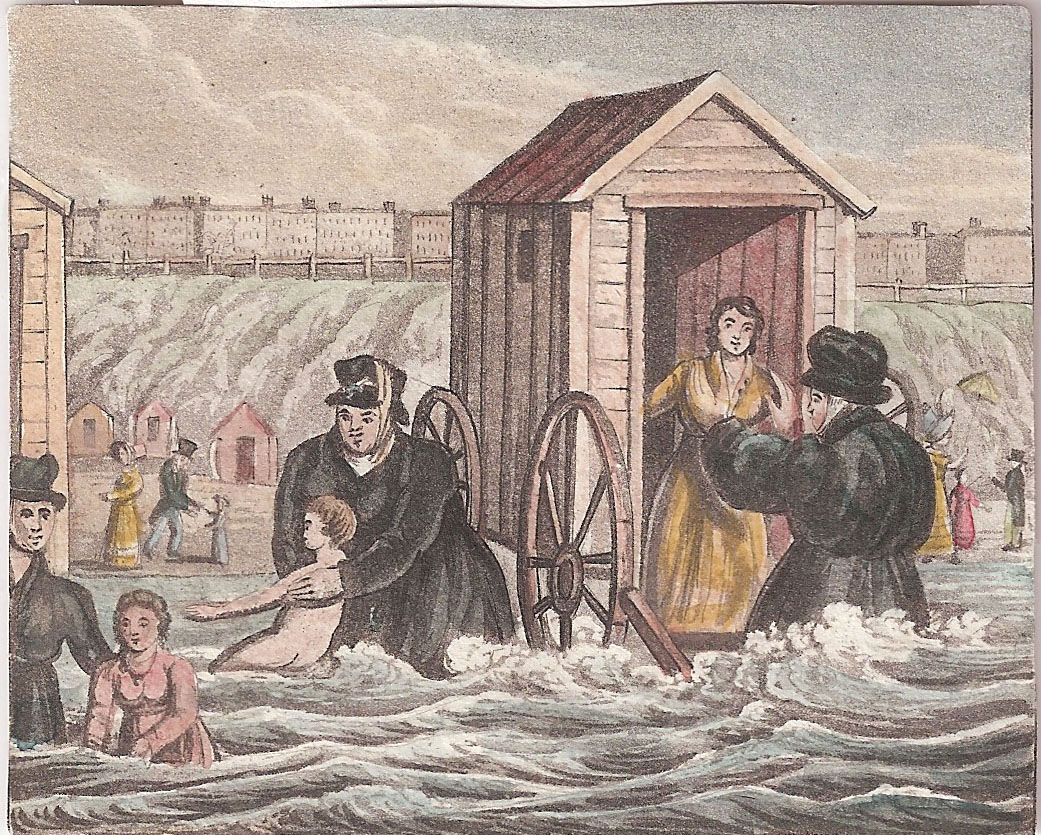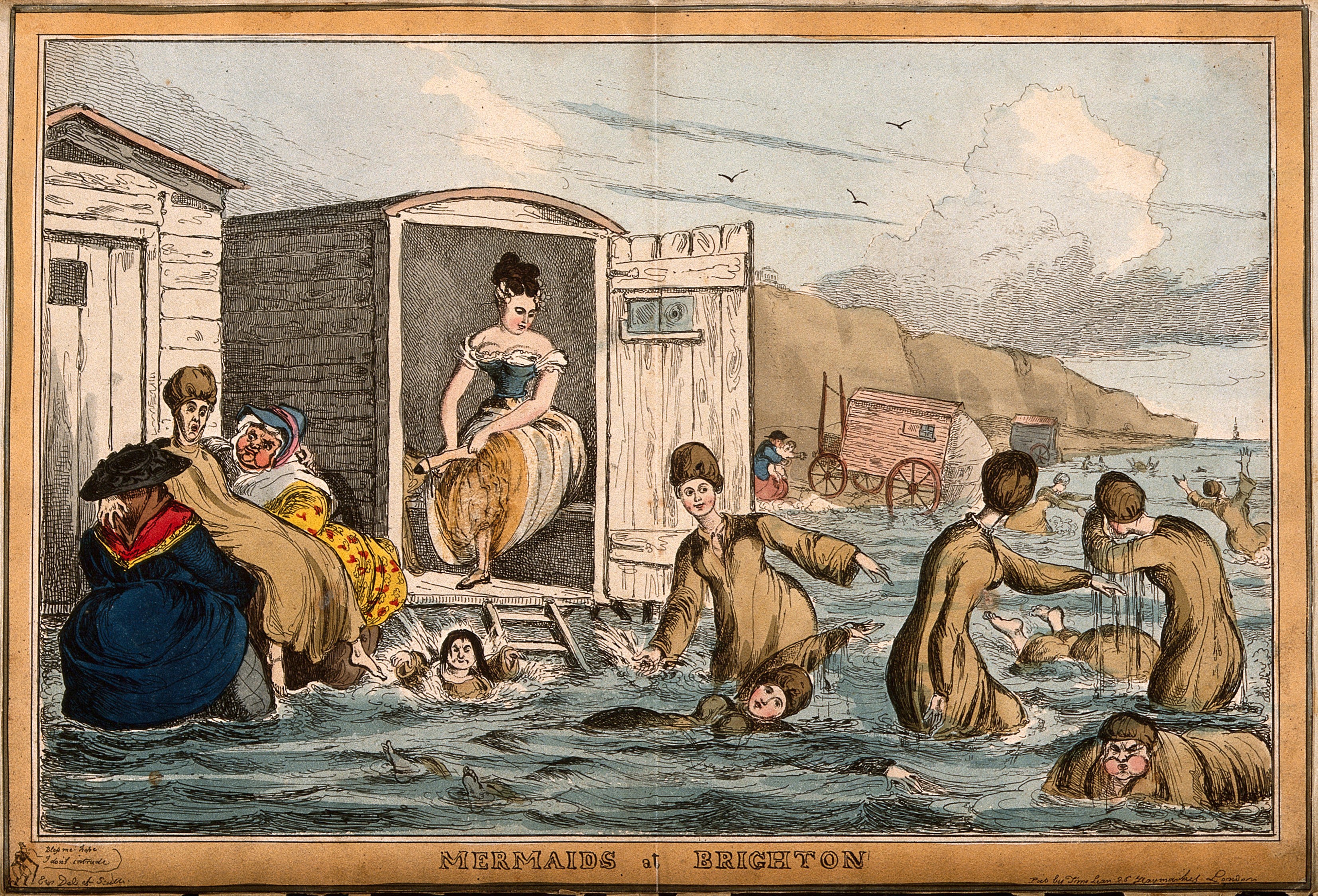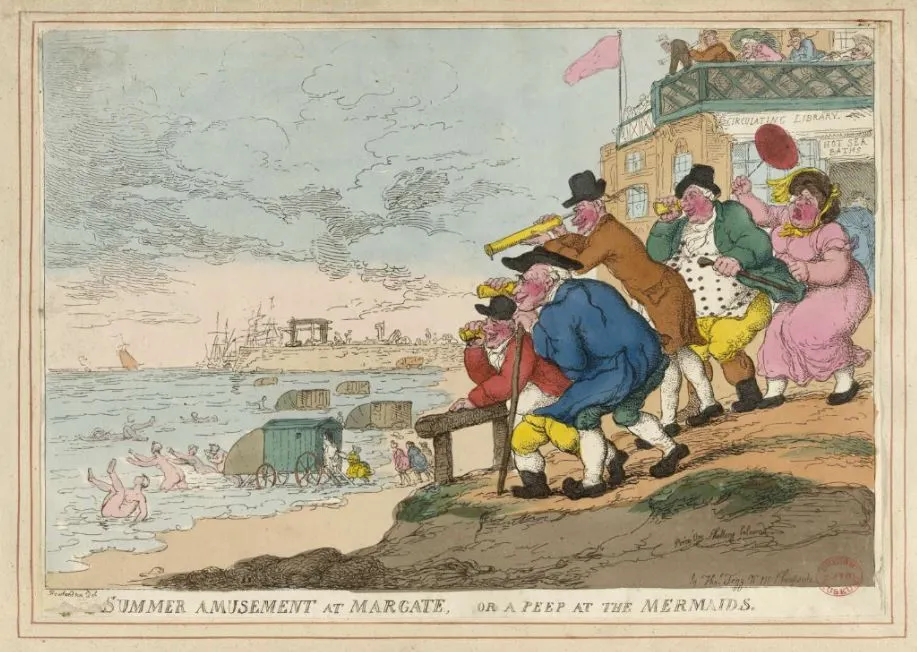
Now that the court case for which I was a juror is over (whew!) I can turn my mind to more cheerful matters. Namely, stories. Best of all, free stories.
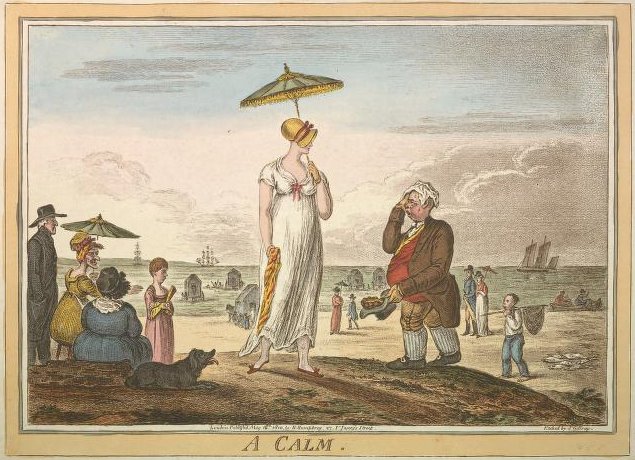
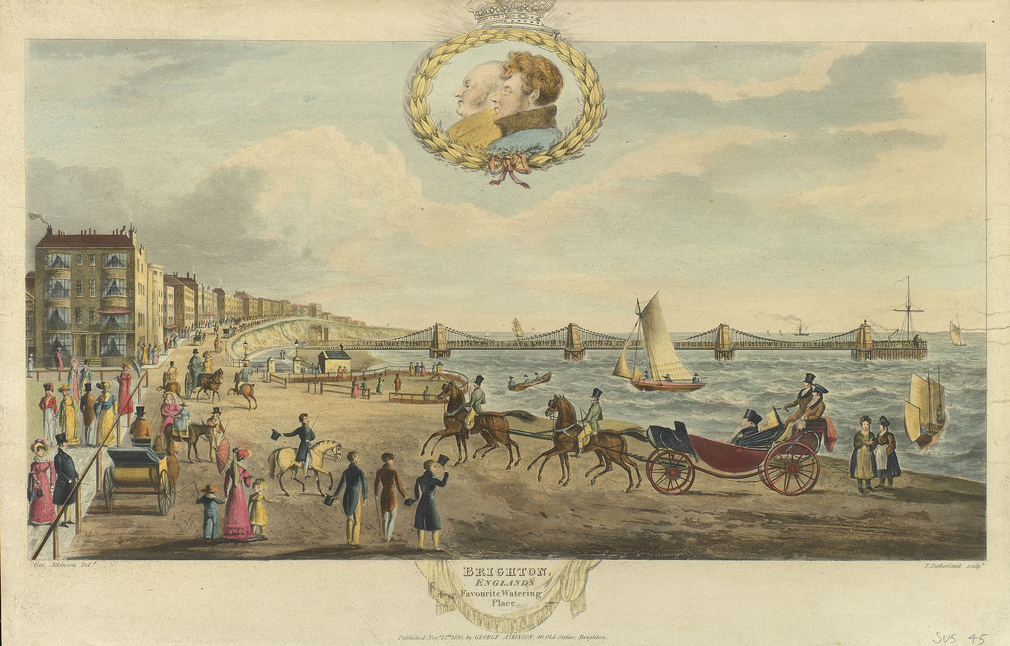
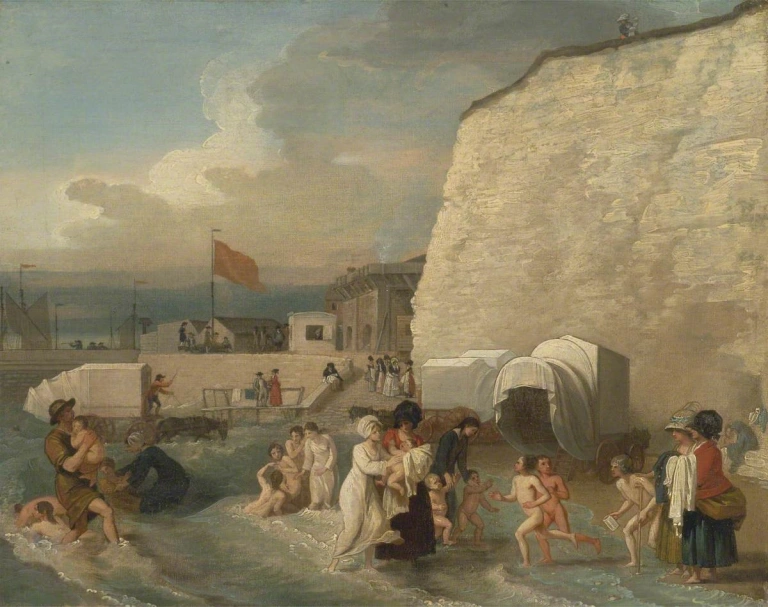
A group of published authors used some amazing pictures to inspire romantic short stories. My first inspiration came from the crumbling castle. But when I got to page 60, and still hadn't finished, I realized this was no short story. I decided I'd have to build on it and make it a full-length romance. (Hint, there's a ghost.) So I went back to the pictures and chose a new one.
My ensuing short story is called "The Reluctant Bride" which is included in this collection of stories, all inspired by pictures. You can download the PDF absolutely free, no strings attached. On the toolbar to the left of this post, you will find a "book cover" with six cool pictures on it. Click on it, download from the website to which you will be directed, and enjoy. All I ask is that if you refer a friend to this free anthology of romantic stories (and I hope you do!) please refer them to this website so they can download it, rather than just giving them a copy.
Sound fair?
Enjoy.
And please let me know what you think!
Wednesday, November 4, 2009
Monday, November 2, 2009
what's your favorite pie?

I'm tired and stressed so I need to turn my thoughts away from this depressing trial for which I am a juror, and instead think about happier things. So I decided to have a poll. Being the un-techno geek that I am, I'm won't have a fancy system that has a list with the little circle-thingy that people check by clicking on it. Instead, just tell me in the comments section what kind of pie you like best for the holidays.
I like pecan, apple (especially warm with caramel drizzled over it and ice cream on top), all the berries (except cherry) and chocolate. I'm not crazy about the cream pies or the chiffon pies. I know, no class. My husband, as a rule, doesn't like pie at all -- something about the crust. He'll make an exception for banana cream, though. One of my boys loves pumpkin but I think that has more to do with the whipped cream he heaps upon it than the pumpkin pie itself. The rest of my children only like the chocolate variety.
What kind of pie do you like?
Tuesday, October 27, 2009
Jury Duty
I've been chosen for jury duty and the trial is expected to last until November 5th, so I will be MIA until then. It's a very emotionally charged case that had me crying in my car for ten minutes before I left the parking garage. I think my heart is too tender for this sort of thing. I will be glad when this is all over.
Monday, October 19, 2009
Regency Marriages and Annulments

Despite what you’ve no doubt read in many historical novels, annulments in Regency England were not easy to obtain.
The old fictitious “we can get our marriage annulled if we don’t consummate it” did not apply in Regency England, nor to my knowledge, at any time in England. Annulments were never easy, quick or painless. Marriages that could be annulled were invalid from the beginning; when either person was already married, when one was under the permitted age, when a minor married by license without proper permission (this included any illegitimate child marrying by license without permission from a guardian appointed by chancery court), or if a person was insane or so feebleminded s/he did not know what she was doing. Then there were annulments granted because of errors in names when people married by banns, because the couple was within prohibited degrees of relationships (i.e. consanguinity), and when one of the couple was impotent (but this have to be proven by a medical examination). A marriage could also be annulled if one party was incapable of sexual intercourse, or absolutely refused to consummate. The absolute refusal was considered the same as impotency, especially that when the person refused to state the reason(s) why.
All questions of validity of marriages were handled by the church courts in England.
Marriages were either valid, void, or voidable. A void marriage is a marriage that never was or had claim to validity. If someone has a spouse living and marries another without obtaining a divorce, the second marriage is void. If a minor married by license without permission, the marriage was void by the Hardwick act. Most void able marriages were marriages between persons within the prohibited decree of affinity and consanguinity. These had to be challenged while the couple was alive. Voidable marriages could not be voided after death of one of the couple.
If a woman’s marriage was annulled, she was reduced from wife to concubine, and her children were illegitimate. Nice, huh? The one time husband was not required to support her or pay her alimony as he had to do if they were separated or had a parliamentary divorce. Despite this, sometimes the wife was the one who instituted the suit in order to be free of the marriage. I asssume the marriage had to be pretty bad to be willing to be reduced to a concubine!
However, if neither sued for annulment, the marriage was valid. Again, consummation was not a requirement.
Monday, October 12, 2009
How and Where to Begin Your Novel
Where to begin your story
This is a question that plagues me with every novel and short story I write. There are a number of places you can begin your story. It’s not a science. Not even the experts can agree on the perfect place to start.
Decades ago, a novelist could open the story with a flowery narrative and lengthy descriptions. That doesn’t work in today's world. Today, the first line or paragraph must grab the attention of the reader.
Many of us are tempted to start with the reasons and motives behind our character's behavior. However, let me tell you a secret: Background, also known as backstory, can wait.
In just a few sentences, an author must get the reader's attention, and make them want to know what happens next. That’s not easy.
Some authors to begin the story where the action takes place. But beginning too late can leave the reader lost and even asking ‘why do I care?’
Giving a little set up, then starting with the action is a good rule of thumb.
I try to begin at the moment where the hero(ine)’s life changes, or when disaster strikes. The start of your novel will determine whether the readers is interested enough to continue reading. It will also set the tone for the rest of the novel.
The beginning should fit the progression through middle toward end. That’s best accomplished once the novel is finished.
For example, perhaps your novel is about a detective. You could start with the detective getting up and getting dresssed, having breakfast and driving to work. Or, you could start with the first person who comes into work to make a statement. You could have him at a crime scene, taking testimonies of witnesses. Or you could even start with the phone call in the middle of the night telling him to go to a crime scene. Which would be more interesting? It depends on how you set it up, and on the tone of the story. Is it a mystery and solving this case is the plot of the story? Is it a romance, and this is how he meets the heroine? Is this a thiller, and how he picks up a stalker? Is this a coming of age story and he’s going to learn something about himself?
Other authors begin with immediate action; bank robberies, car accidents and chase scenes have all opened great novels. As long as the opening isn’t the only exciting part of the book, you can do it. It’s up to you. However, without any set up, you risk the reader not caring, so you have to be careful to weave in emotion and sensory detail to create tension.
Starting too late in the story also happens, although not as frequently as starting too early. I read a book once where the heroine was running for her life, chased by wolves and bleeding. It was exciting. The opening line was good, there was a lot of action. But even after page 2 I was totally lost. It took the better part of the chatper before I learned she and her brother were on a quest and that her brother and everyone with her had been killed in an attack by wolves. I think the author should have backed up a paragraph or two and told me who they were and why they were there.
Where to begin the story has as much to do with the timing of the story as the opening line. Many editors have said when they open an envelope containing a submission, they only read a few lines. If they aren’t interested with it then, they toss it in the rejection pile.
So, how do you do it?
An opening with a teaser that demands answers works very well. Here's an example of an attention-getting opening line:
"She's dead? Murdered?"
When you start with that, you're taunting the readers' curiosity and asking questions such as who was murdered? How? Why?
Finding the answers to these questions is what keeps them turning the pages.
Here's another one:
"I've been dodging the hangman for three years, and I still don't know if I committed the crime."
Think of all the questions this one stirs. How could he not know if he'd committed a crime? Was he drunk? Unconscious? What was the crime? To whom? Why has he been running so long? How is he going to resolve the situation?
Here are the first five lines of Gentle Persuasion by Rita Rainville.
"We've got to get rid of Edgar."
"Permanently?"
"Yes."
"How?"
"Quietly...perhaps poison."
Does it leave you asking; Who’s Edgar? Who's planning his death? And why?
A lot of people prefer opening with dialogue because the immediacy helps draw the reader in more quickly. Personally, I think the story should begin with some kind of set up right after the opening line – but still with an interesting hook – otherwise it sounds like a voice coming out of the darkness. But that’s just me. I’ve read some great books that began with dialogue, but always felt as if I needed more time to paint the picture in my mind. Beginnings can also be effective in narrative. It all comes back to that opening line.
No matter which form you choose, narrative or dialogue, do your best to tantalize the reader into wanting to know more. Curiosity will keep your reader interested, and if that reader is an editor, it might spark their desire to buy.
The beginning of Stef Ann Holms', Weeping Angel, is a good illustration.
Every woman out of diapers thought Frank Brody handsomer than a new catalog bonnet. Every one but Miss Amelia Marshall.
Readers will ask questions such as; Who is Frank Brody? Why doesn't Miss Amelia Marshall think he's handsome when all the other women do? Do they know each other? Do they have a history? Is she crazy?
Here's part of another narrative opening. This one uses action. This is from Elaine Crawford's, Captive Angel.
Fire engulfed the ship. She dodged through the burning debris. Flames licked all about her, up the mast, along the rigging. Tatters of blazing sails flailed in the wind. The ship was doomed....
Here, the author has not only created the questions: Who is she? Why is the ship on fire? Pirates? An accident? A battle? How will she survive?
And from my first novel, The Stranger She Married:
Alicia Palmer stepped down from the coach with
all the enthusiasm of a condemned prisoner about to
meet the executioner. She glanced up at the starry
summer sky, seeking courage. Liveried servants
lined the front steps like guards to the gallows. All
she needed was a crowd with an appetite for the
macabre; a role, no doubt that the other guests could
fill.
I hope this left you wondering why she was so filled with dread? Where she was going? What she was doing there?
Some tips:
* Hook the reader with a compelling opening line
This will create interest and make them want to read more.
*Make sure the tone of your beginning matches the tone of your book and sets up the ending.
If you solve the problem of a character who wants to make new friends, then the ending needs to reflect the resolution of that problem. If they don’t match up, you can decide if you want to change the ending or the beginning; but they must match up.
* Set the tone
Make sure the tone – the attitude displayed by the choice of vocabulary, sentence structure, genre, etc.– sets up the rest of the story. Also, the pace should be the same as the rest of the book.
* Begin the story where the hero’s life changed forever, preferably some kind of disaster.
This form of disaster, and how the hero deals with it, will show the reader who your character is and will make the reader identify/sympathize with the hero.
*Avoid back story except in little drops
Too much backstory slows down the pace and will lose the reader, who, at first will be the agent or editor. How much is too much? That depends, but usually, more than a line or two is too much.
* Avoid using a flashback immediately after opening.
Flashbacks are difficult to follow. Throwing one in early in the story complicates it further. Solidly anchor your novel in the present before leaping back into the past.
*Avoid Introducing Too Many Characters
If your reader needs notebook and pen to keep track of everyone, he or she will get frustrated. Such clutter weakens creates disorder and the reader will put down your book. Use the opening to name and define a few of the major characters. Define them as individuals with distinct personalities, before you introduce other characters.
*Avoid Dream Scenes
Dreams in general are often seen in the work of beginning writers because it provides an easy out. Therefore, dreams should be used sparingly no matter where they occur in a story, but should not be used as an opening.
On one occassion, I read a story that began with a dream but the author showed up front that it was a dream. Then, when the charadter woke up, found evidence that she'd been there in truth. In this case, it worked. But it doesn't usually.
Now, take an unbiased look at your first page. How many questions are unanswered? If there are none or very few, then look at your first chapter and see where the real questions, the real excitement, starts, then put that at the beginning of your manuscript.
Consider beginning much later (or much earlier). Often, it takes writers a while to get started in a story. Open your ms to page 10. Consider starting your story near here. Would you really miss anything from the first 10 pages? Then flip to page 25. Would this be an even better place to start? Usually, the pages you are sure are critical to the story, are really backstory and set up.
Conversely, do you start with a lot of action which leaves the reader with no idea who these people are? Should you add a paragraph or two to set it up? Build up the tension? Set up the character for a massive fall?
Begin where you feel in your heart the story really begins. After all, it’s your story.
This is a question that plagues me with every novel and short story I write. There are a number of places you can begin your story. It’s not a science. Not even the experts can agree on the perfect place to start.
Decades ago, a novelist could open the story with a flowery narrative and lengthy descriptions. That doesn’t work in today's world. Today, the first line or paragraph must grab the attention of the reader.
Many of us are tempted to start with the reasons and motives behind our character's behavior. However, let me tell you a secret: Background, also known as backstory, can wait.
In just a few sentences, an author must get the reader's attention, and make them want to know what happens next. That’s not easy.
Some authors to begin the story where the action takes place. But beginning too late can leave the reader lost and even asking ‘why do I care?’
Giving a little set up, then starting with the action is a good rule of thumb.
I try to begin at the moment where the hero(ine)’s life changes, or when disaster strikes. The start of your novel will determine whether the readers is interested enough to continue reading. It will also set the tone for the rest of the novel.
The beginning should fit the progression through middle toward end. That’s best accomplished once the novel is finished.
For example, perhaps your novel is about a detective. You could start with the detective getting up and getting dresssed, having breakfast and driving to work. Or, you could start with the first person who comes into work to make a statement. You could have him at a crime scene, taking testimonies of witnesses. Or you could even start with the phone call in the middle of the night telling him to go to a crime scene. Which would be more interesting? It depends on how you set it up, and on the tone of the story. Is it a mystery and solving this case is the plot of the story? Is it a romance, and this is how he meets the heroine? Is this a thiller, and how he picks up a stalker? Is this a coming of age story and he’s going to learn something about himself?
Other authors begin with immediate action; bank robberies, car accidents and chase scenes have all opened great novels. As long as the opening isn’t the only exciting part of the book, you can do it. It’s up to you. However, without any set up, you risk the reader not caring, so you have to be careful to weave in emotion and sensory detail to create tension.
Starting too late in the story also happens, although not as frequently as starting too early. I read a book once where the heroine was running for her life, chased by wolves and bleeding. It was exciting. The opening line was good, there was a lot of action. But even after page 2 I was totally lost. It took the better part of the chatper before I learned she and her brother were on a quest and that her brother and everyone with her had been killed in an attack by wolves. I think the author should have backed up a paragraph or two and told me who they were and why they were there.
Where to begin the story has as much to do with the timing of the story as the opening line. Many editors have said when they open an envelope containing a submission, they only read a few lines. If they aren’t interested with it then, they toss it in the rejection pile.
So, how do you do it?
An opening with a teaser that demands answers works very well. Here's an example of an attention-getting opening line:
"She's dead? Murdered?"
When you start with that, you're taunting the readers' curiosity and asking questions such as who was murdered? How? Why?
Finding the answers to these questions is what keeps them turning the pages.
Here's another one:
"I've been dodging the hangman for three years, and I still don't know if I committed the crime."
Think of all the questions this one stirs. How could he not know if he'd committed a crime? Was he drunk? Unconscious? What was the crime? To whom? Why has he been running so long? How is he going to resolve the situation?
Here are the first five lines of Gentle Persuasion by Rita Rainville.
"We've got to get rid of Edgar."
"Permanently?"
"Yes."
"How?"
"Quietly...perhaps poison."
Does it leave you asking; Who’s Edgar? Who's planning his death? And why?
A lot of people prefer opening with dialogue because the immediacy helps draw the reader in more quickly. Personally, I think the story should begin with some kind of set up right after the opening line – but still with an interesting hook – otherwise it sounds like a voice coming out of the darkness. But that’s just me. I’ve read some great books that began with dialogue, but always felt as if I needed more time to paint the picture in my mind. Beginnings can also be effective in narrative. It all comes back to that opening line.
No matter which form you choose, narrative or dialogue, do your best to tantalize the reader into wanting to know more. Curiosity will keep your reader interested, and if that reader is an editor, it might spark their desire to buy.
The beginning of Stef Ann Holms', Weeping Angel, is a good illustration.
Every woman out of diapers thought Frank Brody handsomer than a new catalog bonnet. Every one but Miss Amelia Marshall.
Readers will ask questions such as; Who is Frank Brody? Why doesn't Miss Amelia Marshall think he's handsome when all the other women do? Do they know each other? Do they have a history? Is she crazy?
Here's part of another narrative opening. This one uses action. This is from Elaine Crawford's, Captive Angel.
Fire engulfed the ship. She dodged through the burning debris. Flames licked all about her, up the mast, along the rigging. Tatters of blazing sails flailed in the wind. The ship was doomed....
Here, the author has not only created the questions: Who is she? Why is the ship on fire? Pirates? An accident? A battle? How will she survive?
And from my first novel, The Stranger She Married:
Alicia Palmer stepped down from the coach with
all the enthusiasm of a condemned prisoner about to
meet the executioner. She glanced up at the starry
summer sky, seeking courage. Liveried servants
lined the front steps like guards to the gallows. All
she needed was a crowd with an appetite for the
macabre; a role, no doubt that the other guests could
fill.
I hope this left you wondering why she was so filled with dread? Where she was going? What she was doing there?
Some tips:
* Hook the reader with a compelling opening line
This will create interest and make them want to read more.
*Make sure the tone of your beginning matches the tone of your book and sets up the ending.
If you solve the problem of a character who wants to make new friends, then the ending needs to reflect the resolution of that problem. If they don’t match up, you can decide if you want to change the ending or the beginning; but they must match up.
* Set the tone
Make sure the tone – the attitude displayed by the choice of vocabulary, sentence structure, genre, etc.– sets up the rest of the story. Also, the pace should be the same as the rest of the book.
* Begin the story where the hero’s life changed forever, preferably some kind of disaster.
This form of disaster, and how the hero deals with it, will show the reader who your character is and will make the reader identify/sympathize with the hero.
*Avoid back story except in little drops
Too much backstory slows down the pace and will lose the reader, who, at first will be the agent or editor. How much is too much? That depends, but usually, more than a line or two is too much.
* Avoid using a flashback immediately after opening.
Flashbacks are difficult to follow. Throwing one in early in the story complicates it further. Solidly anchor your novel in the present before leaping back into the past.
*Avoid Introducing Too Many Characters
If your reader needs notebook and pen to keep track of everyone, he or she will get frustrated. Such clutter weakens creates disorder and the reader will put down your book. Use the opening to name and define a few of the major characters. Define them as individuals with distinct personalities, before you introduce other characters.
*Avoid Dream Scenes
Dreams in general are often seen in the work of beginning writers because it provides an easy out. Therefore, dreams should be used sparingly no matter where they occur in a story, but should not be used as an opening.
On one occassion, I read a story that began with a dream but the author showed up front that it was a dream. Then, when the charadter woke up, found evidence that she'd been there in truth. In this case, it worked. But it doesn't usually.
Now, take an unbiased look at your first page. How many questions are unanswered? If there are none or very few, then look at your first chapter and see where the real questions, the real excitement, starts, then put that at the beginning of your manuscript.
Consider beginning much later (or much earlier). Often, it takes writers a while to get started in a story. Open your ms to page 10. Consider starting your story near here. Would you really miss anything from the first 10 pages? Then flip to page 25. Would this be an even better place to start? Usually, the pages you are sure are critical to the story, are really backstory and set up.
Conversely, do you start with a lot of action which leaves the reader with no idea who these people are? Should you add a paragraph or two to set it up? Build up the tension? Set up the character for a massive fall?
Begin where you feel in your heart the story really begins. After all, it’s your story.
Subscribe to:
Posts (Atom)